
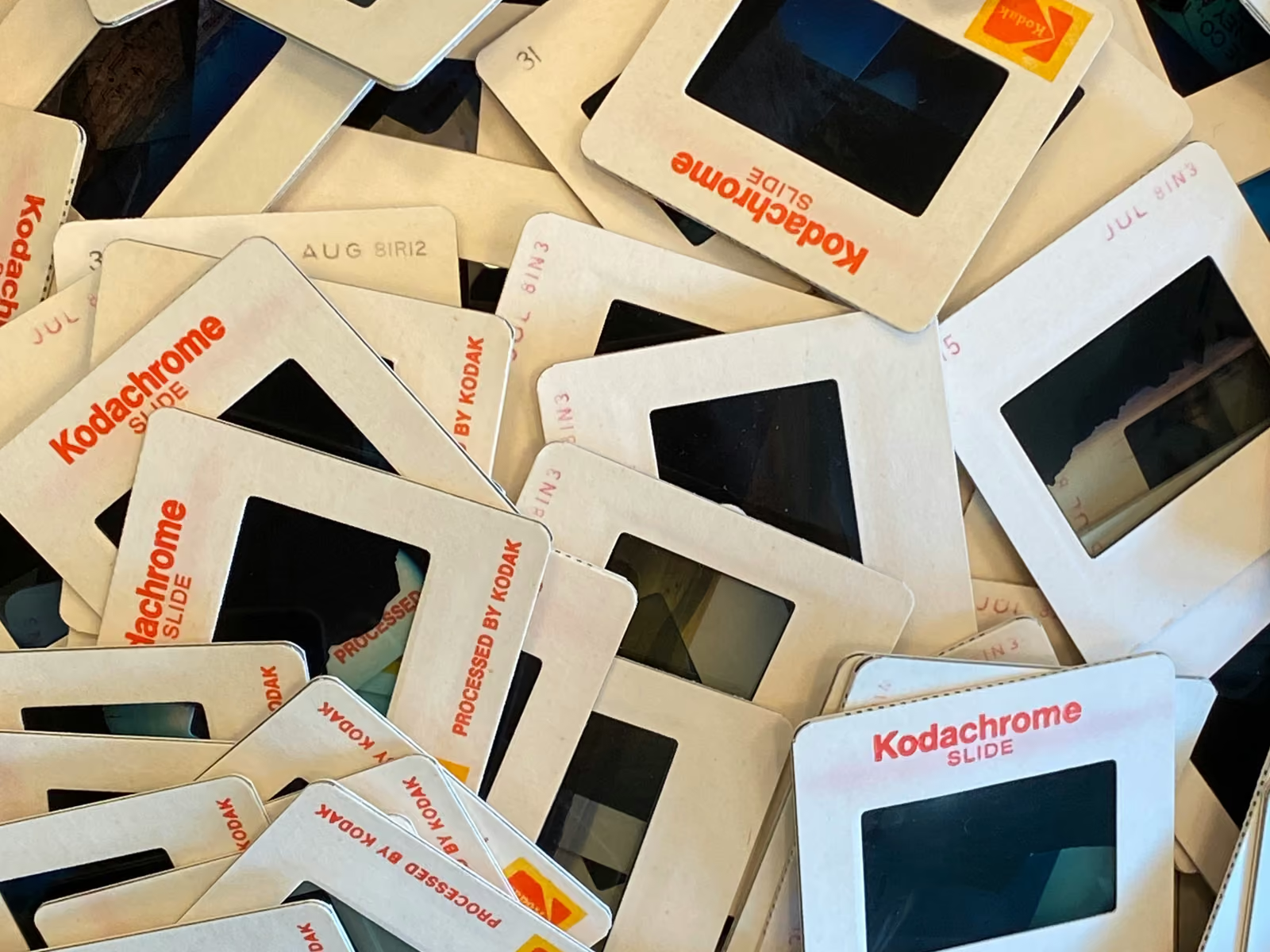
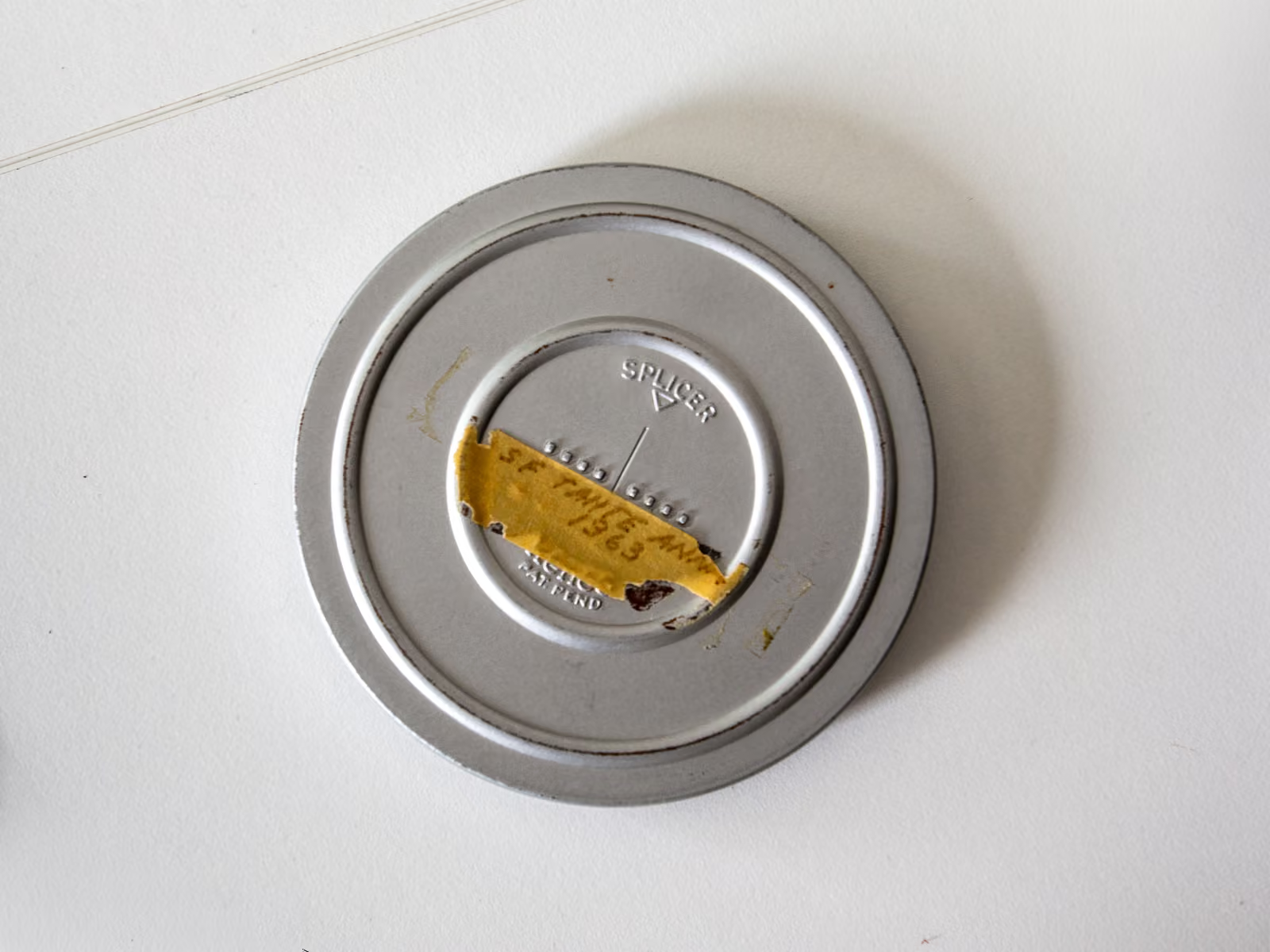
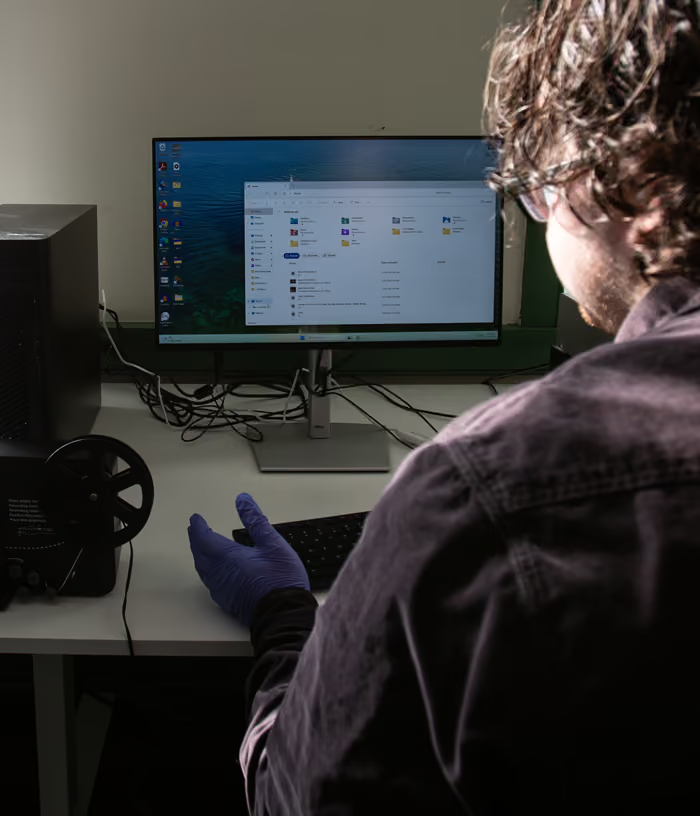
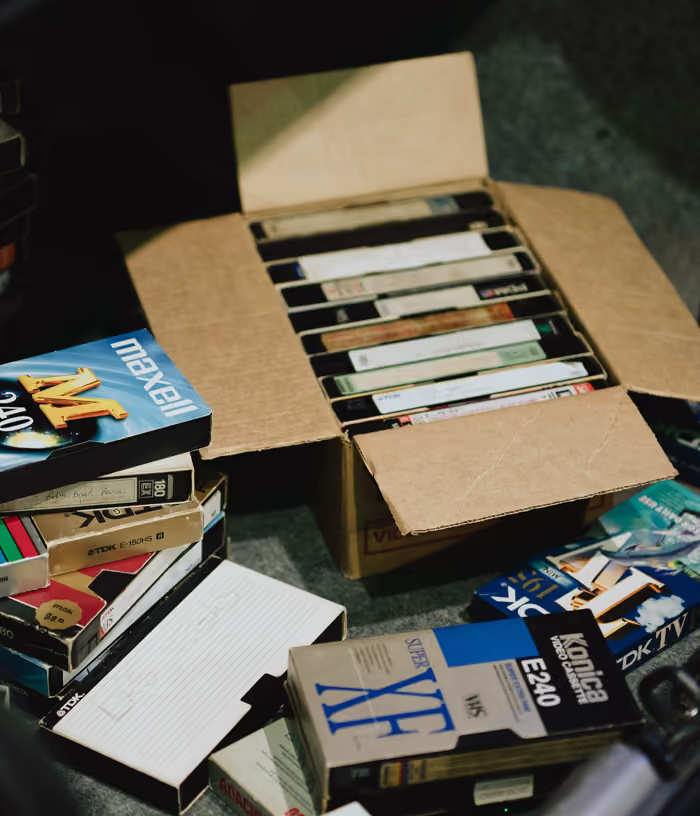


Convert a wide range of analog formats including:
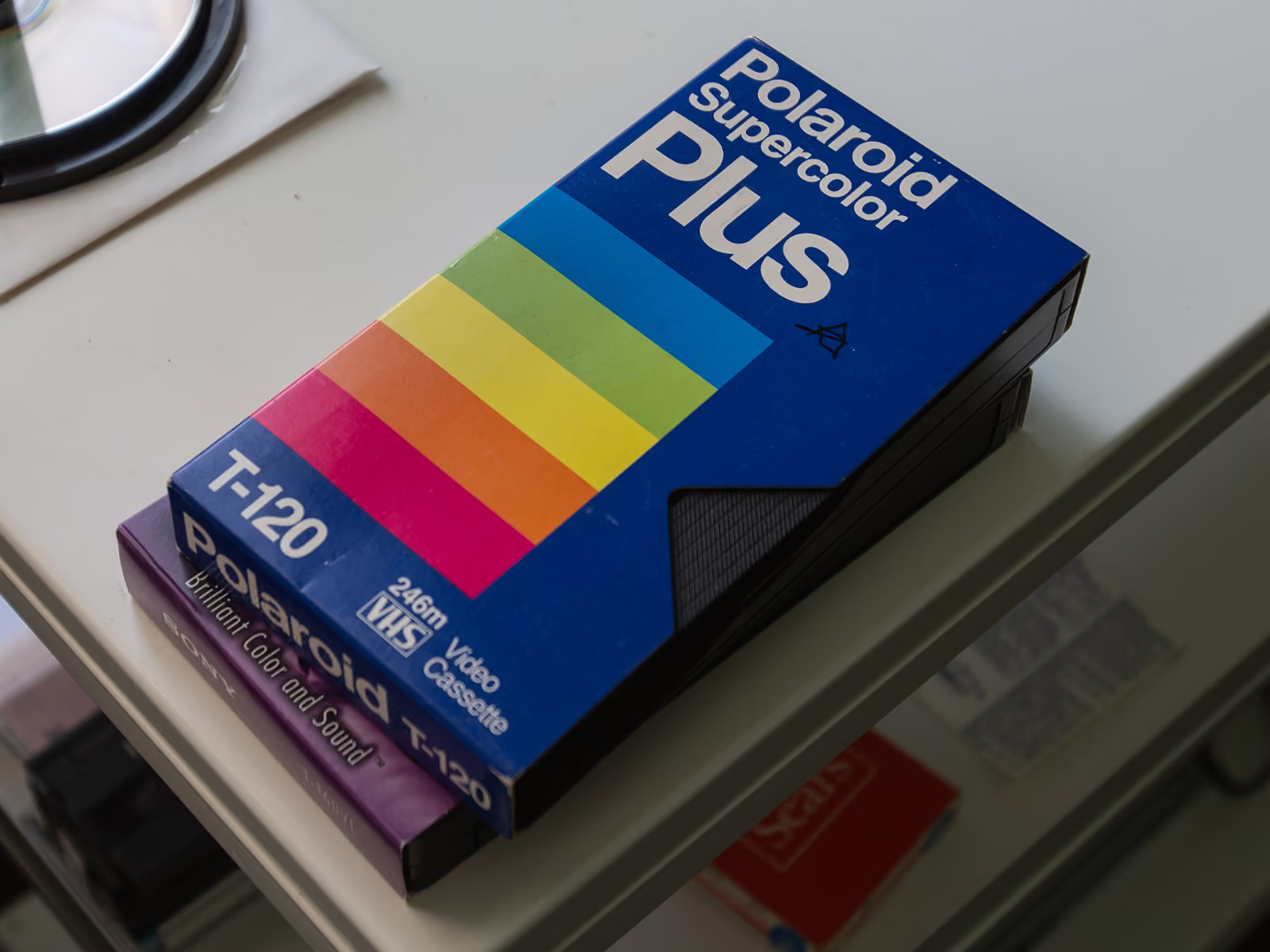
Video: VHS tapes, Digital8 tapes, Hi8 tapes, 8mm film, and Super8 film
Audio: Cassette tapes, vinyl records
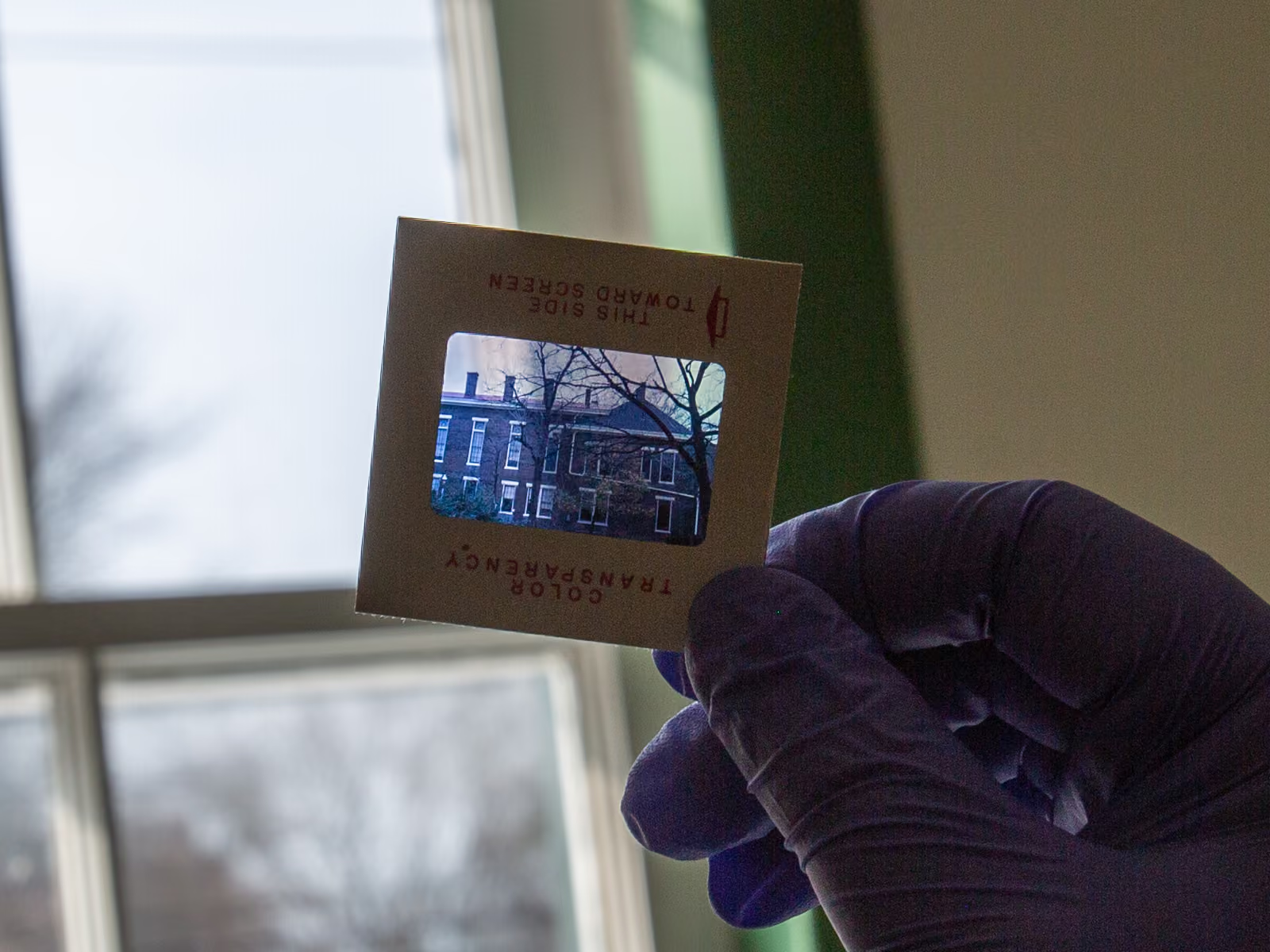
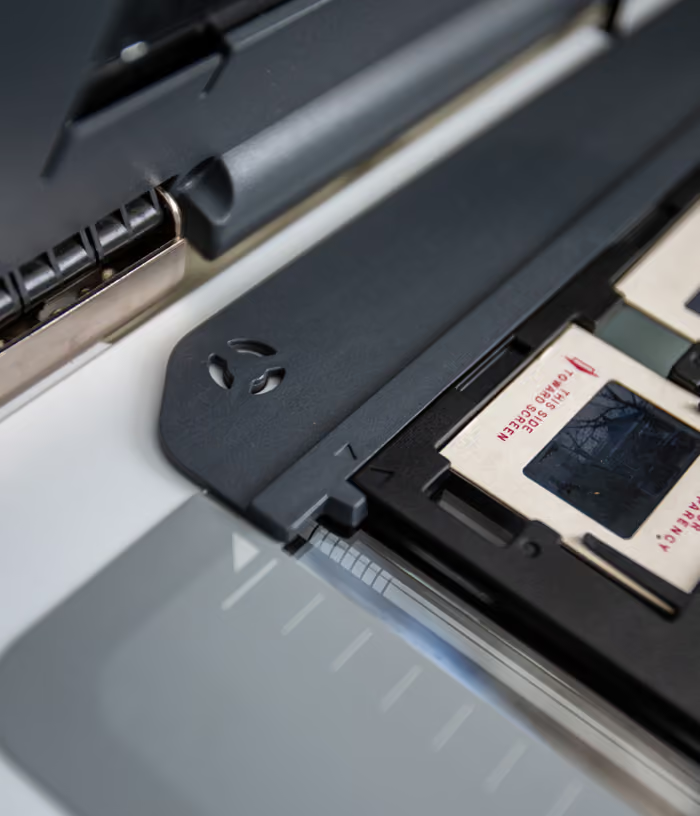
Images and documents: Photographs (up to 11”x17”), photo negatives, slides, letters, scrapbooks, important family documents
Bring any physical documents, old photos, or digital records you've already found. Having the "raw evidence" on hand allows our historians to dive deeper into the context of your research immediately.
Start with your most fragile or meaningful items. Magnetic media like VHS tapes and audio cassettes degrade over time, so we recommend moving those to the top of your list.
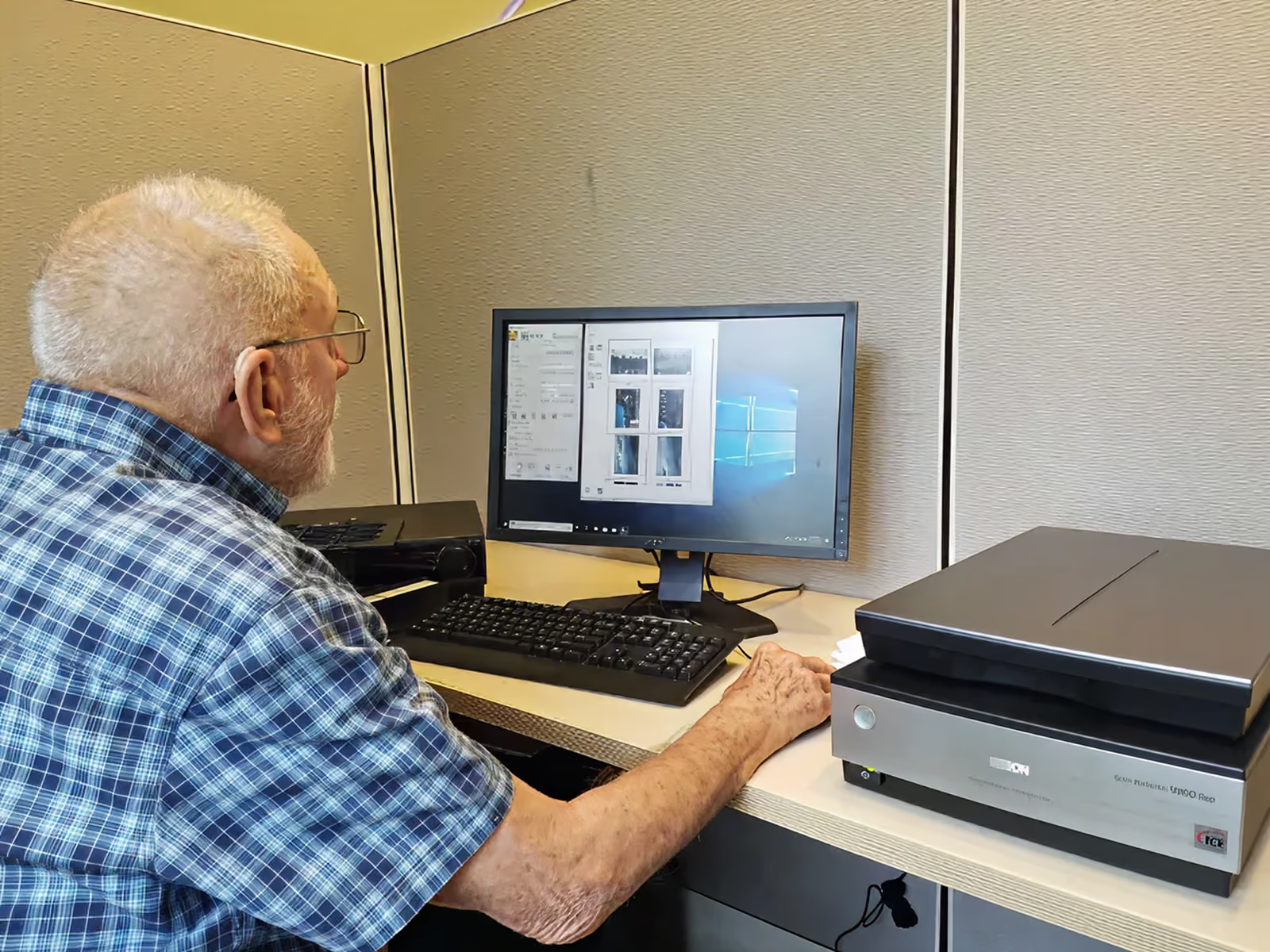
Having your materials in order before you arrive allows you to maximize your session. Note that we can often digitize multiple formats at once—for example, you can scan photographs or slides while a VHS tape is transferring.
Digitizing video and audio is a "real-time" process. A one-hour tape will take exactly one hour to convert, so please plan your visit accordingly.
For photographs and documents, we generally recommend scanning at a high resolution (at least 600 dpi) to ensure your digital copies are clear and future-proof.
Digital storage isn't permanent. While an SSD is a great start, plan to migrate your files to new hardware every 5–10 years to ensure they remain accessible.
There are no dumb questions here. Our team is always nearby and ready to help you navigate the equipment or the research process.
