


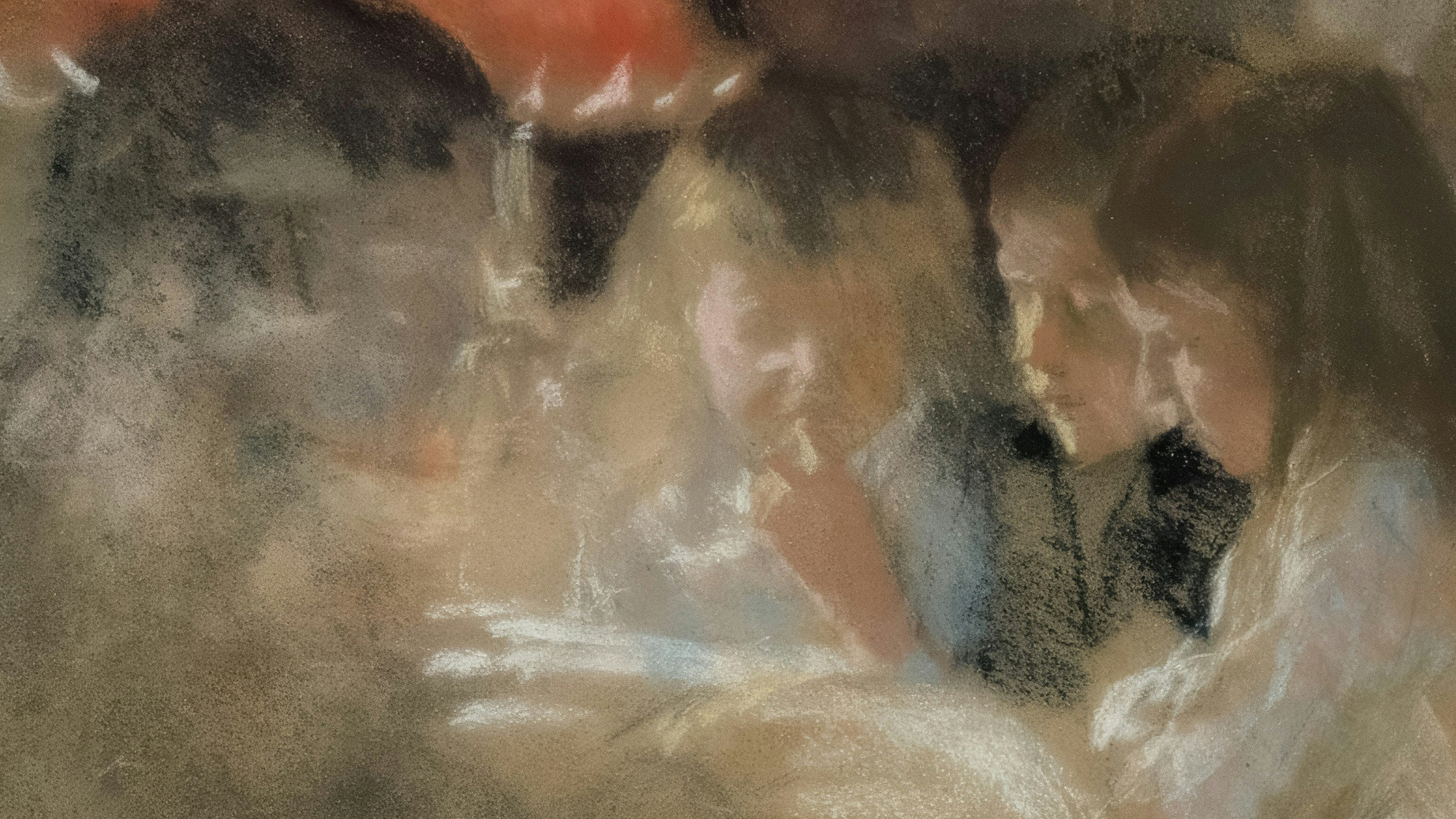

Stories do not only live on paper. They travel in voices — in the cadence of a grandfather recalling his first job, in the laughter that interrupts a memory mid-sentence, in the pause that signals something too important to rush. Oral histories preserve more than events; they preserve personality, tone, and texture. In listening closely, we inherit not just information, but intimacy.
Across communities, oral histories act as bridges between generations. They give context to family photographs, depth to local landmarks, and humanity to historical timelines. A recorded conversation can illuminate what daily life felt like during wartime, how neighborhoods once gathered, or why certain traditions endure. When younger generations hear these accounts firsthand, history shifts from abstract to immediate. It becomes lived experience rather than distant fact.
To treat listening as legacy is to recognize that preservation begins with attention. Recording an interview, asking thoughtful questions, or simply creating space for someone to tell their story ensures that wisdom and memory are not lost to time. Oral histories remind us that every voice holds value. When we choose to listen, we honor the past — and carry its lessons forward.



.png.png)